
The 10 Best Pilgrimage Board Games
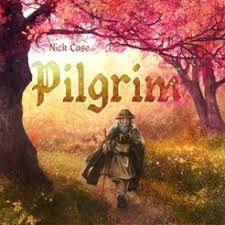
Pilgrimage board games offer a unique blend of spirituality, exploration, and strategic gameplay, often drawing inspiration from real-world journeys and religious pilgrimages. Whether you’re navigating the Camino de Santiago or embarking on an imaginary quest, these games provide immersive experiences with rich themes and engaging mechanics. In this article, we explore the 10 best pilgrimage-themed board games, offering detailed descriptions, core mechanics, and an evaluation of their strengths and weaknesses.
1. Pilgrimage
Pilgrimage is a game that simulates the spiritual and physical journey of a pilgrimage. Players move their pilgrims across a path, overcoming obstacles and collecting religious artifacts. The game focuses on spiritual growth and offers players multiple paths to victory, whether through faith, personal growth, or resource accumulation. The game also includes elements of teamwork, where players can help each other along the way, though it remains competitive.
Core Mechanics: Movement along a board, resource management, and victory point accumulation. Best Aspects: The spiritual theme is strong and deeply integrated into the game, making it feel like a true pilgrimage. Not-so-good Aspects: It may lack the depth that some players expect from a more complex game, and the theme might not appeal to everyone.
Key Features:
Complexity: Medium
Players: 2-4
Playing Time: 60 minutes
Buy on Amazon
2. Wayfarers of the South Tigris
Set in the heart of the ancient Middle East, Wayfarers of the South Tigris invites players to explore and build civilizations. As pilgrims journeying through the region, players face a combination of resource management and strategic tile-laying. The game’s central focus is on the wayfarers’ journeys, which is cleverly mirrored by the strategic decisions players must make as they grow their influence. Each player can make a pilgrimage in a unique way, which ensures high replayability.
Core Mechanics: Tile placement, resource management, and action selection. Best Aspects: Deeply thematic, with beautiful artwork and varied paths to victory. Not-so-good Aspects: The rules can be a bit difficult for newcomers, and some strategies can feel more dominant than others.
Key Features:
- Players: 1-4
- Playing Time: 60-90 minutes
- Complexity: Medium to High
Buy on Amazon
3. The Quacks of Quedlinburg
While not directly related to traditional pilgrimages, The Quacks of Quedlinburg carries a sense of personal growth and experimentation akin to embarking on a pilgrimage of discovery. Players take on the role of quack doctors, attempting to brew potions while avoiding dangerous explosions. The game focuses on risk-taking, resource management, and the thrill of discovery, making it a fun, lighthearted choice for those seeking a whimsical pilgrimage experience.
Core Mechanics: Push-your-luck, resource management, and set collection. Best Aspects: Fun and engaging, with high replayability and humor. Not-so-good Aspects: The luck-based mechanics may not appeal to players who prefer strategy-heavy games.
Key Features:
- Players: 2-4
- Playing Time: 45-60 minutes
- Complexity: Low
Buy on Amazon
4. Spirit Island
In Spirit Island, players take on the roles of spirits defending their island from colonization. Though it’s more about defending sacred land than a literal pilgrimage, the game embodies the essence of spiritual resistance and protecting sacred paths. The cooperative nature of the game makes it feel like a collective pilgrimage, where teamwork and strategy are necessary to fend off invaders. The mechanics include area control, hand management, and cooperative play, offering deep strategy.
Core Mechanics: Cooperative gameplay, area control, hand management. Best Aspects: Deep, cooperative strategy, highly thematic, and immersive. Not-so-good Aspects: The difficulty may be too high for some players, and the learning curve is steep.
Key Features:
- Players: 1-4
- Playing Time: 90-120 minutes
- Complexity: High
Buy on Amazon
5. Lost Cities
Lost Cities is a card game that invites players to embark on archaeological expeditions in search of ancient treasures. The theme of the game mirrors the essence of a pilgrimage as players embark on a quest for discovery, facing challenges and making strategic choices. The game’s simplicity makes it ideal for quick sessions, while still offering significant strategic depth as players decide when to push forward or retreat.
Core Mechanics: Set collection, hand management, and risk assessment. Best Aspects: Quick and easy to learn, with deep strategic decisions despite its simplicity. Not-so-good Aspects: The randomness of the card draw can sometimes lead to frustrating outcomes.
Key Features:
- Players: 2
- Playing Time: 30 minutes
- Complexity: Low
Buy on Amazon
6. The Grizzled
The Grizzled is a cooperative card game set during World War I, where players take on the roles of soldiers trying to survive the war’s hardships. The game’s theme of perseverance and unity in the face of overwhelming odds evokes the sense of a pilgrimage toward hope and survival. Through hand management and cooperative mechanics, the game challenges players to stay united and face the trials of war together.
Core Mechanics: Cooperative gameplay, hand management, and risk management. Best Aspects: Strong emotional impact, cooperative theme, and tension-filled gameplay. Not-so-good Aspects: The difficulty can be very high, and some may find it too bleak.
Key Features:
- Players: 2-5
- Playing Time: 30-45 minutes
- Complexity: Medium
Buy on Amazon
7. Journey to the Center of the Earth
Based on the classic novel, Journey to the Center of the Earth takes players on an adventure into the unknown depths of the Earth. While not a traditional pilgrimage, the journey represents a quest for knowledge and discovery. Players explore caves, gather resources, and face dangerous challenges. The game’s balance of exploration and strategy offers a fun, thematic experience that’s perfect for adventurous players.
Core Mechanics: Exploration, tile placement, and risk management. Best Aspects: Strong thematic focus on exploration, with a fun and interactive game world. Not-so-good Aspects: Some players may find the random elements frustrating.
Key Features:
- Players: 2-4
- Playing Time: 60-90 minutes
- Complexity: Medium
Buy on Amazon
8. Journey: Wrath of Demons
Journey: Wrath of Demons is a cooperative, dungeon-crawling board game where players embark on a journey to defeat dark forces. While the game isn’t directly based on a traditional pilgrimage, the narrative and journey-based progression align with the concept of a spiritual quest. The game combines strategic combat with deep storytelling, as players explore ancient paths and fight off enemies. The mechanics encourage teamwork and careful planning, with a focus on personal and collective growth throughout the adventure.
Core Mechanics: Cooperative gameplay, combat, and story-driven choices. Best Aspects: Strong narrative elements, immersive journey-like progression, and beautiful artwork. Not-so-good Aspects: The complexity and length may be off-putting for casual players, and the game can feel slow at times.
Key Features:
- Players: 2-4
- Playing Time: 90-120 minutes
- Complexity: High
Buy on Amazon
9. The Isle of Cats
The Isle of Cats is a family-friendly tile-laying game with an overarching theme of rescuing cats from an island. While not a traditional pilgrimage, the game features exploration and discovery as you gather cats to save them, which gives it a sense of a spiritual or meaningful journey. The game combines strategic decisions with colorful, engaging mechanics, as players aim to fill their boats with cats while exploring the island’s many secrets. The game’s unique theme and accessible gameplay make it a great pick for families and casual gamers.
Core Mechanics: Tile-laying, set collection, and puzzle-solving. Best Aspects: Easy to learn, fun theme, and great for family play. Not-so-good Aspects: The tile-laying mechanics can feel repetitive after several plays.
Key Features:
- Players: 1-4
- Playing Time: 60-90 minutes
- Complexity: Medium
Buy on Amazon
10. Sagrada
Sagrada is a beautifully crafted game that challenges players to construct a stained glass window, using dice as their primary resource. While it is not a traditional pilgrimage, the game’s theme revolves around the creation of something meaningful and spiritual, akin to a pilgrimage toward artistic achievement. Players carefully select dice and place them on their boards to form patterns and complete objectives. The game encourages thoughtful planning and strategy, with a focus on both aesthetics and efficiency.
Core Mechanics: Dice drafting, puzzle-solving, and pattern building. Best Aspects: Visually stunning, easy to learn, yet deep in strategic choices. Not-so-good Aspects: Can feel restrictive at times, especially when certain dice are unavailable, and the variability in available choices may frustrate some players.
Key Features:
- Players: 1-4
- Playing Time: 30-45 minutes
- Complexity: Medium
Buy on Amazon
Conclusion Pilgrimage board games provide a unique and enriching experience that can range from deeply thematic journeys of self-discovery to lighthearted adventures of exploration. Whether you are interested in spiritual growth, historical events, or the thrill of discovery, the games listed here offer a variety of experiences for every type of player. Each game has its own set of strengths and challenges, ensuring that there is something for everyone interested in a journey-inspired board game.